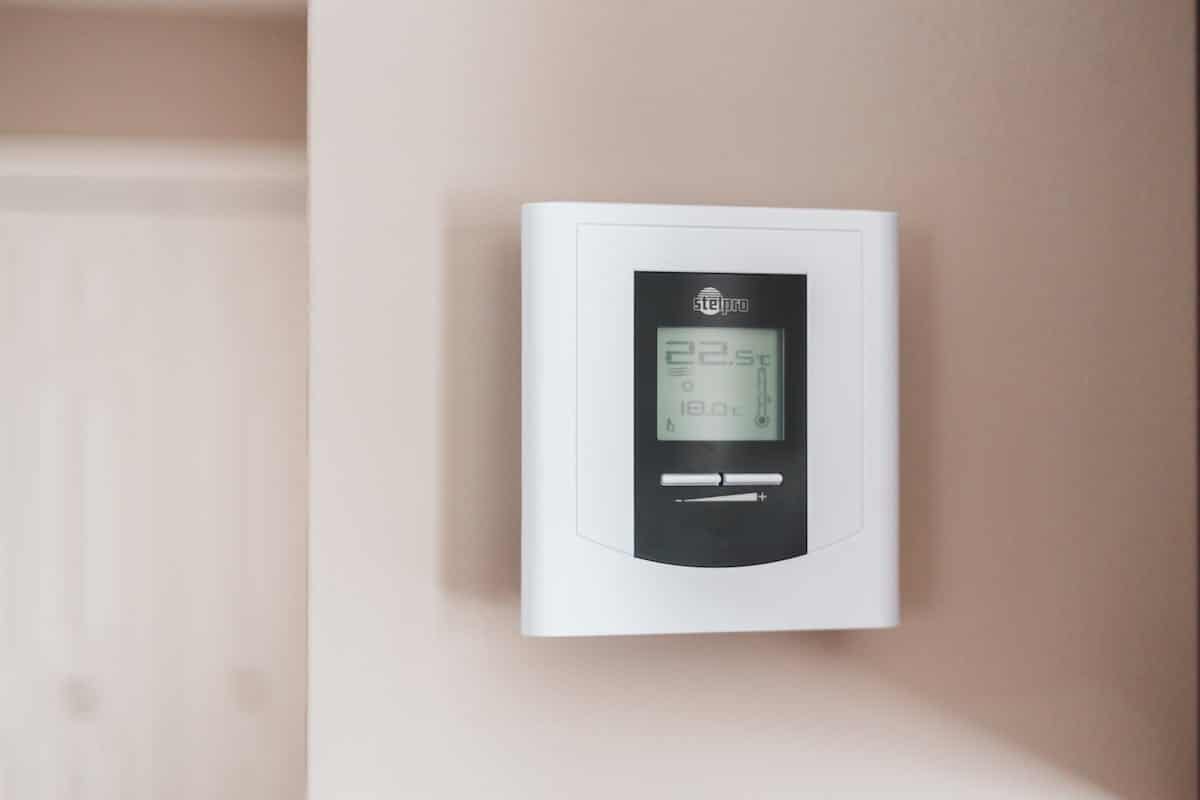
Often overlooked, the thermostat plays a crucial role in the comfort of our homes. This tool, if properly set, can help maintain a pleasant temperature while saving energy. It can be confusing to understand how to adjust it correctly. In particular, the setting to 6 degrees, often recommended for winter nights or when leaving the house, may seem mysterious. Why this specific number? How does it affect energy consumption and comfort at home? This practical guide aims to shed light on these questions.
Mastering the thermostat: energy savings at 6 degrees
Decoding the symbols and icons of the thermostat is an essential step in understanding its operation. Among these symbols, an important setting to master is the ‘thermostat 6 degrees’. This indicates that your thermostat can be set to a minimum temperature of 6 degrees Celsius.
When you activate this ‘thermostat 6 degrees’ setting, your heating system will automatically keep the indoor temperature at a comfortable yet economical level when no one is home or during nighttime hours when we generally tolerate lower temperatures. However, caution is advised: setting the thermostat too low (below the ‘thermostat 6 degrees’) could lead to problems such as frozen water pipes.
There are also other icons to consider. For example, a sun or flame is often used to indicate heating mode, while a water droplet generally symbolizes cooling mode. Some models even offer a digital display with various numbers and letters representing different settings.
To optimize the use of the ‘thermostat 6 degrees’ as well as the other functions available on your device, it is highly recommended to carefully consult the manual provided by the thermostat manufacturer to understand all its subtleties. Each model has its own specifics regarding icons and their meanings, making this familiarization valuable for quickly and effectively adjusting your thermal settings according to your needs.
Ultimately, learning to correctly decode these indications will not only greatly enhance your daily thermal comfort through the ‘thermostat 6 degrees’, but also lead to significant savings on your energy bills.
Understanding thermostat symbols: easy decoding
In order to provide you with a personalized thermal experience, most modern thermostats come equipped with a variety of operating modes. These different modes allow you to tailor your heating system according to your specific preferences and needs.
The first mode is the ‘Comfort’ mode. This mode maintains a pleasant temperature in your home by automatically adjusting the thermostat settings. It ensures optimal comfort for the whole family without requiring you to intervene regularly.
There is the ‘Economy’ mode, which promotes energy savings by slightly reducing the indoor temperature. When this mode is activated, your heating system strives to maintain lower energy consumption while keeping an acceptable level of comfort. This can translate to a few degrees lower during times when no one is present at home or when everyone is sleeping.
Another important setting is the ‘Vacation’ mode. When you leave for an extended period, it is crucial to activate this mode to avoid unnecessary energy waste. By programming this option before your departure, you can specify a minimum temperature (like 6°C), allowing the thermostat to maintain the interior at a sufficiently low minimum threshold to save on your energy bills without risking complications such as frozen pipes.
Some thermostats also offer a ‘Weekly Programming’ mode, which provides even more flexibility in managing temperatures. With this mode, you can set different heating levels for weekdays and weekends, thus catering to your family’s specific habits.
It is worth noting that some thermostats are compatible with a mobile app. This means you can manage your settings remotely from your smartphone or tablet. These apps often offer advanced features such as real-time energy consumption tracking or data analysis to optimize your thermal habits.
Understanding the modes available on your thermostat is essential to fully benefit from the ‘thermostat 6 degrees’ and enjoy tailored thermal comfort while achieving significant energy savings. Take the time to explore these different options and adjust them according to your personal preferences to optimize your daily thermal experience.
Thermostat operating modes: which choice for which need
In this section, we will present some tips to optimize the settings of your thermostat at 6 degrees and thereby maximize its energy efficiency.
It is recommended to install the thermostat in a strategic position. It is best to place it in an area where the ambient temperature accurately reflects that of the entire room. Avoid locations exposed to direct sources of heat or cold, such as near windows or radiators.
Once installed correctly, take the time to thoroughly understand the features of the thermostat. Read the user manual carefully to learn how to adjust the various available options and make the most of all its advanced features.
Another tip is to carefully program your thermostat according to your daily habits. For example, if you are away during the day, program an automatic drop in temperature when you leave home and a gradual return before your arrival to find a comfortable environment as soon as you get home.
Also, consider adjusting the thermostat settings according to the seasons. During winter, for instance, it may be wise to slightly lower the overall temperature and compensate with a few extra layers to save even more on your energy bills.
Remember that each household has its own specific thermal needs. Don’t hesitate to experiment with the thermostat settings to find the perfect balance between comfort and energy savings. It is advisable to regularly monitor your energy consumption to assess the impact of different adjustments and make necessary changes.
By following these simple yet effective tips, you will be able to optimize the settings of your thermostat at 6 degrees and make the most of its benefits. With strategic and well-thought-out use, you can not only improve your thermal comfort but also actively contribute to global efforts to reduce our environmental footprint.
Tips for an optimized thermostat: savings and comfort
In our quest for optimal use of the thermostat at 6 degrees, think about finding the right balance between comfort and energy savings by adjusting the temperature reasonably.
Another common mistake is frequently changing the thermostat settings. Making constant changes can lead to excessive energy consumption and make it difficult to maintain a consistent temperature in your home. It is better to set a fixed and consistent schedule that suits your daily needs.
Also, avoid covering or blocking the thermostat sensors with objects such as curtains or furniture. These sensors are designed to detect the ambient temperature and adjust the operation of the heating or cooling system accordingly. Blocking these sensors could distort the readings and lead to poor thermal performance.
It is also essential to regularly maintain your thermostat to ensure it continues to function properly. Periodically clean the dust accumulated around the device and ensure that all components are in good condition. If you notice persistent technical issues, do not hesitate to contact a qualified professional for necessary repairs.
Consider emphasizing the importance of properly insulating your home for optimal thermostat use. Effective insulation helps prevent thermal disturbances and limits heat or coolness leaks, which contributes to reducing the load on the control system.
By avoiding these common mistakes, you will be able to fully utilize the benefits offered by your thermostat at 6 degrees. You will enjoy better control over your energy expenses while maintaining a comfortable environment in your home.
Remember that the responsible use of energy resources is essential to preserve our planet. The thermostat at 6 degrees can play an important role in this goal by helping us reduce our carbon footprint. By adopting these simple yet effective tips, you will actively contribute to collective efforts aimed at ensuring a more sustainable future for all.
Errors to avoid with the thermostat: pitfalls to watch out for
In our quest for optimal use of the thermostat at 6 degrees, it is crucial to understand the benefits of intelligent use of this device. By adopting a thoughtful and informed approach, you can fully enjoy the many benefits offered by your thermostat.
One of the main advantages is the ability to achieve substantial savings on your energy bills. By wisely adjusting the temperature according to your needs and daily habits, you can avoid unnecessary waste while maintaining an adequate level of comfort in your home.
By using the thermostat at 6 degrees intelligently, you also have the capacity to optimize the energy efficiency of your heating or cooling system. Thanks to advanced programming and modern features included in some models, you can create personalized schedules that adapt to your specific timings and preferences. This increased flexibility not only allows for more precise management of the indoor climate but also helps reduce overall energy consumption.
Another important advantage is the increased control you gain over your home environment.
Intelligent use of the thermostat: benefits to know
Within your home, the ambient temperature has a significant impact on your comfort and well-being. With the thermostat at 6 degrees, you have the ability to precisely adjust the heat or cold according to your individual preferences. This allows you to create a pleasant environment that fosters a serene atmosphere conducive to relaxation.
But beyond personal comfort, the intelligent use of the thermostat at 6 degrees can also actively contribute to reducing our ecological footprint. By adopting responsible energy practices, we can all play our part in preserving our planet.
By becoming aware of the impact that each small gesture has on the environment, we are encouraged to use the thermostat sparingly and wisely. By adjusting settings to minimize energy needs when they are not necessary, we actively participate in global efforts to reduce pollutant emissions.