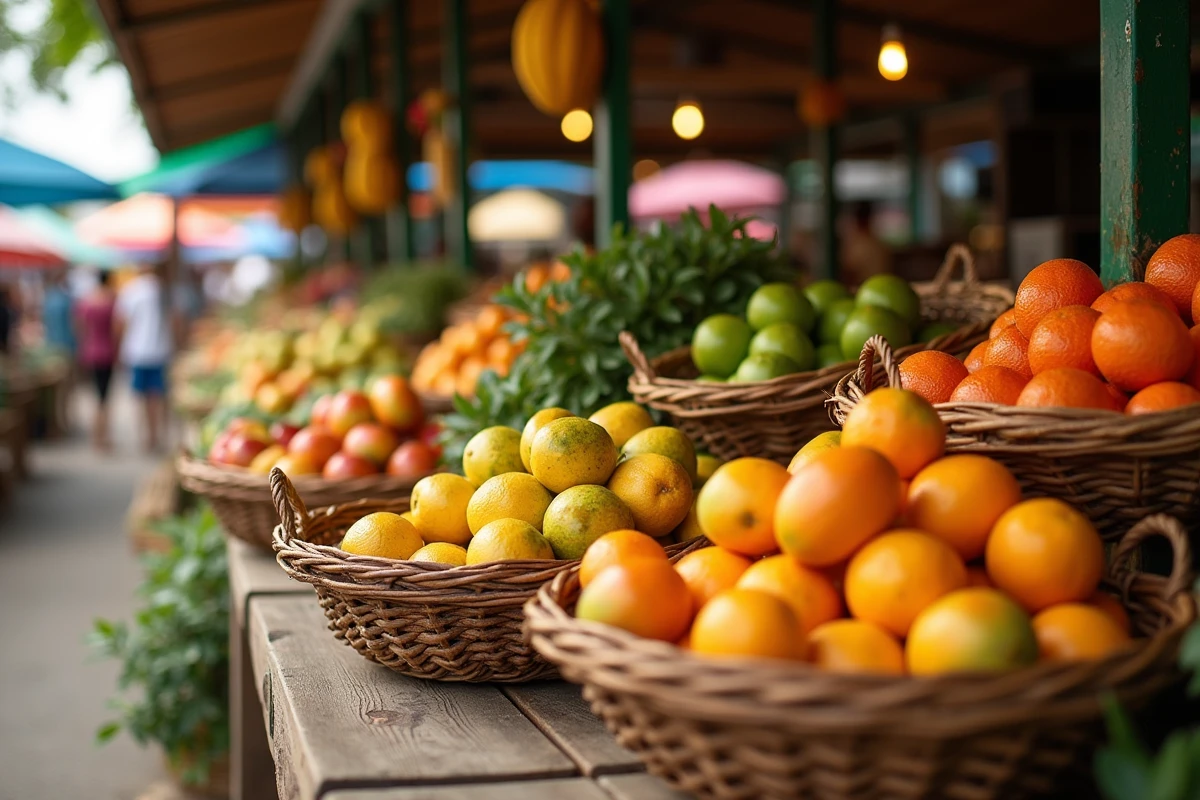
Jafaden is a private label brand associated with the Leclerc chain, marketed under the Marque Repère umbrella. The confusion surrounding its origins stems from a frequent amalgamation between the place of manufacture of the finished product and the agricultural origin of the raw materials. Two concepts that French regulations do not treat in the same way on the label.
French manufacturing and agricultural origin: the gap that misleads the consumer
The mention “made in France” on a Jafaden fruit juice exclusively refers to the stage of processing and packaging on French territory. The pressed, concentrated, or blended fruits in the factory can come from very distant geographical areas, notably Southern Europe or South America.
This gap is not illegal. The regulations on origin apply to the processed product, not to each agricultural ingredient taken in isolation. A juice packaged in a French factory legitimately receives a barcode starting with 3, indicating French marketing.
We observe that this mechanism creates a perceptual gray area among consumers. The word “France” on the packaging generates an automatic association with local production, while the logistical reality of the fruit juice sector relies on international supplies. To delve deeper into the origin of the Jafaden brand on Instinct Business, the distinction between these two levels of origin is detailed precisely.
The real issue for the informed consumer is therefore not whether Jafaden is a French brand, as it is structurally a Leclerc private label, but to trace back the supply chain fruit by fruit, reference by reference.

Jafaden and Israel: fruit traceability and persistent rumors
The most enduring controversy associates Jafaden with fruits grown in occupied Palestinian territories, particularly the Jordan Valley. This claim has circulated on social media for several years, amplified by boycott campaigns.
No direct link to Israeli fruits has been demonstrated by the available investigations. Jafaden products are manufactured in France from fruits grown in various countries, primarily in Europe and South America. The shortcut between the prefix “Jafa” (which evokes Jaffa, an Israeli city historically associated with citrus) and an Israeli origin is based on phonetic association, not on documented fact.
Traceability does exist, however, but it requires an active approach. The brand’s consumer service can provide the list of agricultural origins for each specific reference. A Jafaden orange juice and a Jafaden multi-fruit nectar do not necessarily share the same supply sources.
Limits of traceability by reference
This case-by-case traceability poses a practical problem. The consumer who wishes to verify the origin of the fruits must contact customer service, identify the exact reference of the purchased product, and then wait for a response. On the shelf, no information on the label allows for this sorting directly.
Private label brands like Jafaden operate with specifications that allow for changes in suppliers according to agricultural campaigns and global prices. The origin of the fruits in the same product can therefore vary from year to year, or even from batch to batch.
Leclerc private label: how the Jafaden model works
Jafaden is part of the Marque Repère range, the portfolio of private label brands specific to Leclerc. This model is based on a simple principle: Leclerc does not manufacture anything. The chain drafts a specification, selects one or more subcontracting manufacturers, and markets the product under its own brand.
- The actual manufacturer does not appear on the front of the packaging, making the identification of the producer opaque for the consumer on the shelf
- Subcontractors can change without the commercial name of the product being modified, complicating any attempt at targeted boycotting
- The selling price remains lower than national brands thanks to the absence of a dedicated advertising budget and logistical pooling within the Leclerc network
This operation explains why the question “where does Jafaden come from” cannot receive a single and definitive answer. The brand is a commercial label, not an identifiable producer.
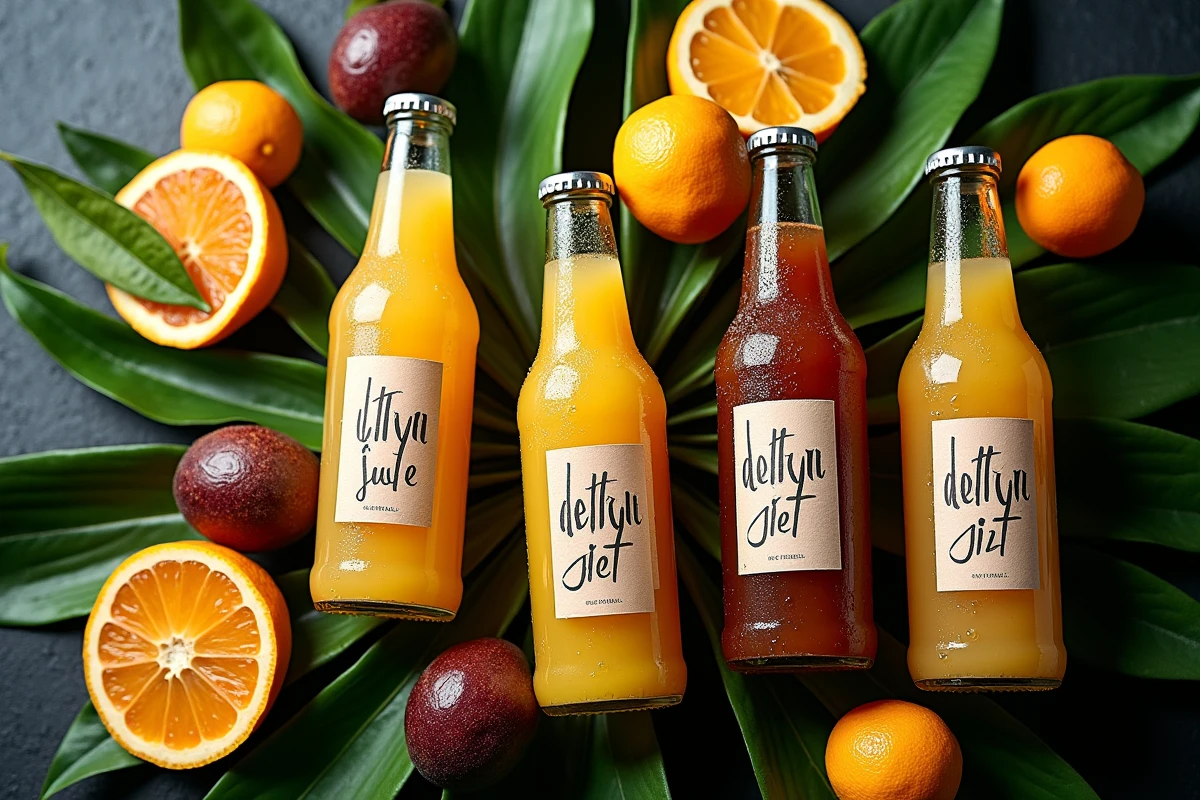
Reading the label of a Jafaden juice: concrete indicators
For a consumer concerned about the actual origin of the fruits, several clues on the packaging deserve attention, even if they remain incomplete.
- The barcode starting with 3 indicates French marketing, not French cultivation of the fruits
- The mention “pure juice” or “from concentrate” changes the processing chain: a juice from concentrate often implies international transport of the concentrate before reconstitution in the factory
- The address of the packager, usually printed in small characters, allows for locating the manufacturing plant but not the original farm
- The possible presence of a label (organic farming, fair trade) adds an extra layer of traceability, as these certifications impose documented monitoring of the supply chain
The difference between “pure juice” and “juice from concentrate” is not trivial in terms of traceability. Concentrate travels better, stores longer, and often comes from low-cost production areas. Pure juice, more fragile, tends to source from geographically closer areas to the packaging plant.
The role of consumer service
Contacting consumer service directly remains the only reliable way to obtain the precise agricultural origin for a given batch. We recommend noting the batch number and expiration date before any request, as this information is necessary to trace back the exact supply chain.
The question of Jafaden’s origins illustrates a broader phenomenon in French retail. Private label brands, whether sold at Leclerc, Carrefour, or Lidl, share this structural opacity between the displayed place of manufacture and the actual agricultural origin. The name on the packaging designates neither a terroir nor a producer, but a commercial strategy. For Jafaden as for its equivalents, transparency still requires an individual approach from the consumer.