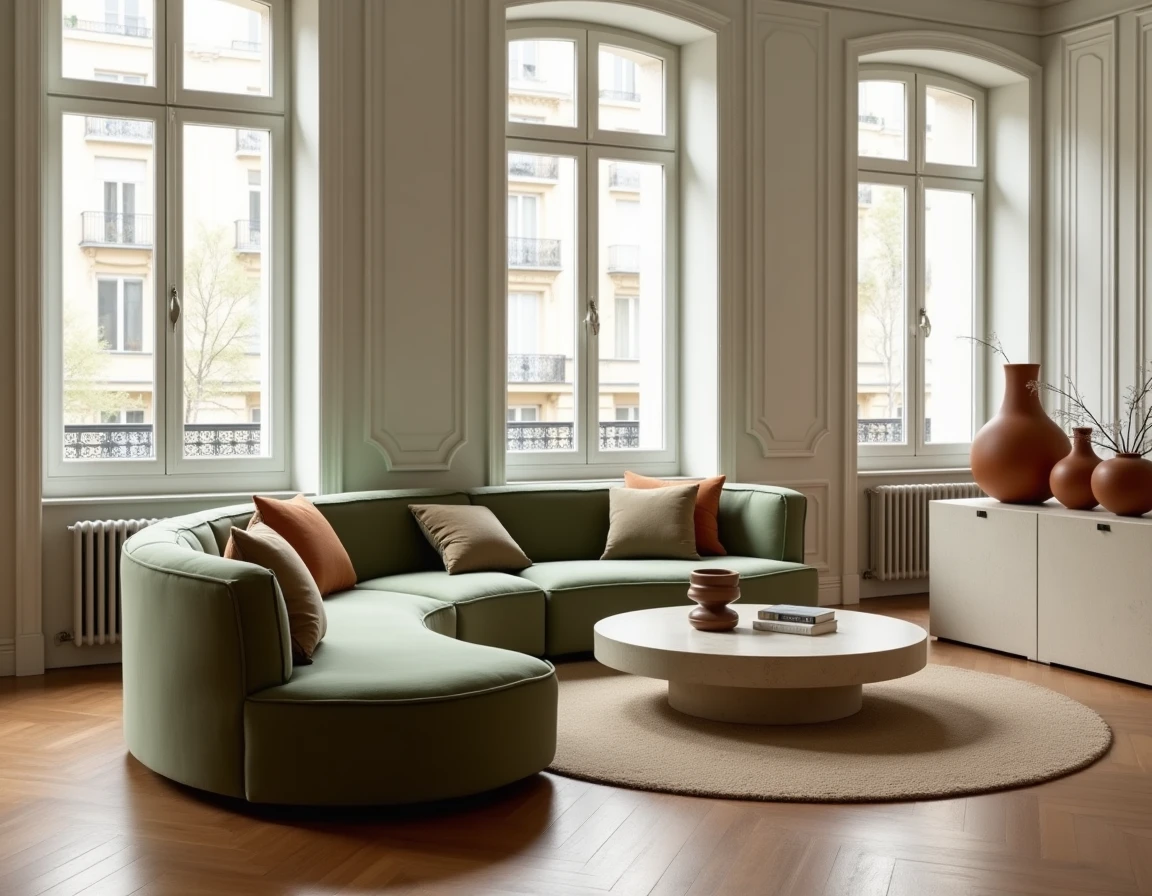
When redecorating a living room or bedroom, the first instinct is often to look for a sofa or a wall color. The real starting point is the constraints of the housing itself: surface area, natural light, insulation. In 2026, decorating trends incorporate these technical parameters much more than before, and this is good news for those who want an interior that is both beautiful and functional.
Decor and thermal performance: the game-changing duo in 2026
With the tightening of regulations on thermal sieves in France (gradual ban on renting out homes classified G then F), an entire aspect of interior decoration is transforming. Curtains are no longer chosen solely for their color. They are also chosen because they are thermal and contribute to improving the DPE of the home.
Thick thermal curtains, insulating floor coverings, and dual-function wall panels (acoustic and thermal) are gaining ground in mainstream retail. This trend directly affects landlords who are renovating, as well as tenants who want to reduce their bills without undertaking major renovations.
Browsing the decor selection from Votre Déco, one can see that this practical logic now permeates current collections: heavy textiles, naturally insulating materials, wall accessories that are no longer purely aesthetic. The boundary between decoration and habitat improvement is becoming blurred, and this is probably the most concrete shift in recent years.
Biosourced and recycled materials: what trade shows are really promoting
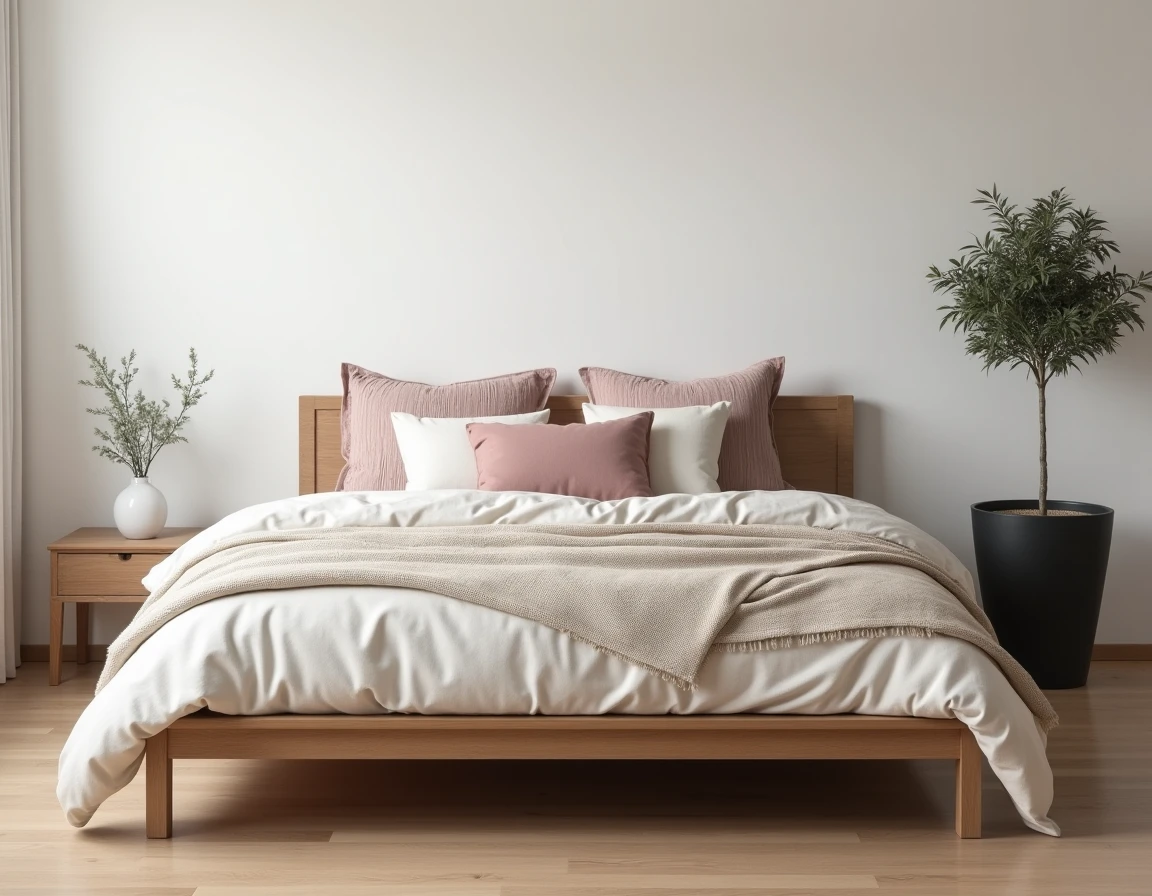
The latest editions of Maison&Objet have highlighted a marked increase in biosourced materials in collections accessible to the general public. Hemp, cork, refurbished wood, recycled plastic transformed into decorative objects: these materials are moving out of the niche segment and into mainstream catalogs.
What concretely changes for us as buyers is the quality-price ratio. A vase made from recycled plastic or a woven hemp basket no longer costs significantly more than its classic equivalent. Production has been structured, volumes have increased, and finishes have improved.
What can be realistically found in biosourced materials today
- Lighting fixtures made from refurbished wood or cork, often offered in natural shades that fit well in both Scandinavian interiors and more raw styles
- Upholstery textiles (cushions, throws, curtains) made from recycled hemp or linen, with more irregular textures than standard cotton but a pleasant touch
- Storage and wall decoration accessories made from recycled ocean plastic, often in muted color palettes (gray, sage green, terracotta)
Feedback varies on the durability of certain objects made from recycled materials, particularly small accessories subjected to frequent handling. For fixed decorative pieces (frames, vases, pendants), longevity is comparable to that of conventional materials.
Modular decor packs: the trend from coliving
A less publicized but very concrete phenomenon comes from the world of furnished rentals and coliving. Players like Colonies or The Babel Community have developed standardized but customizable decor packs to quickly furnish homes while allowing occupants some room for personalization.
The principle is simple: a neutral base (simple furniture, light walls) complemented by interchangeable modules. We’re talking about textiles that are easy to replace, framed posters in standard sizes, and modular lighting that can be moved from one room to another.
Adapting this logic to one’s own interior
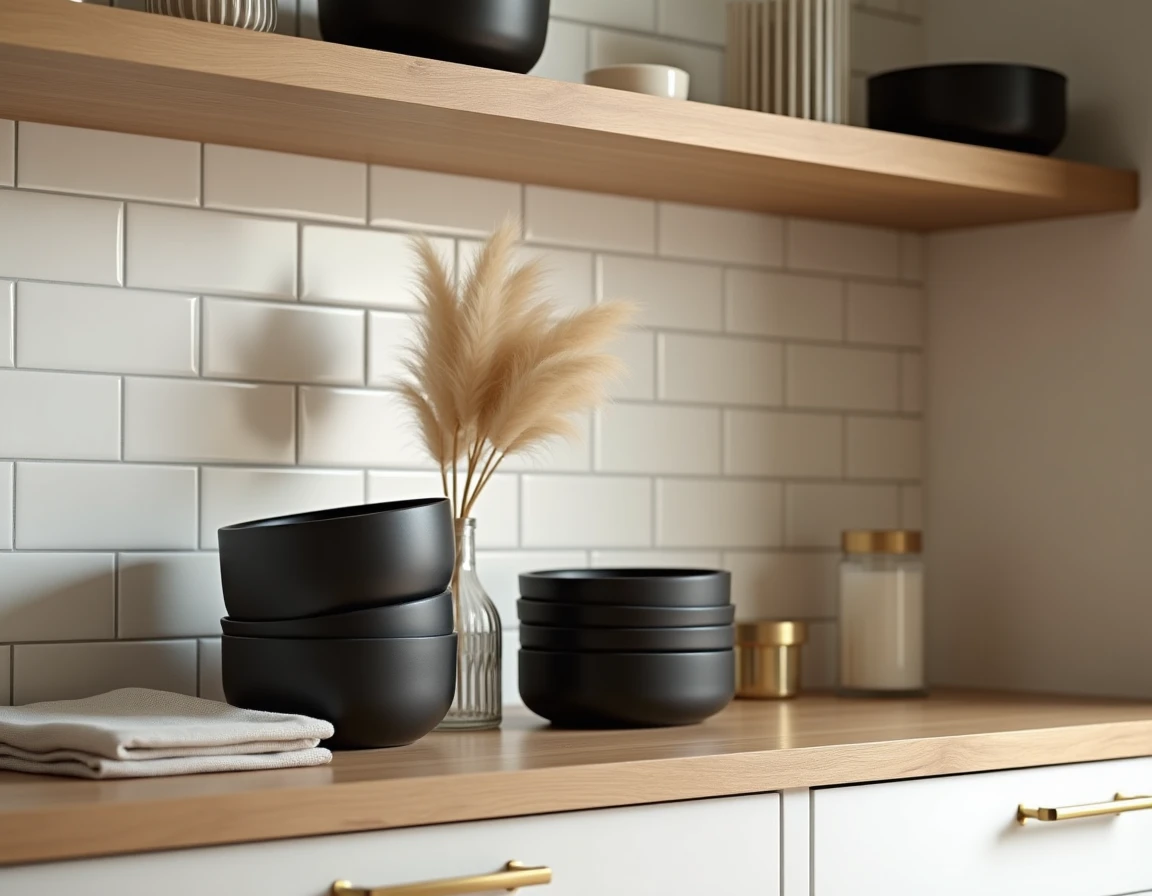
This approach works particularly well for shared living spaces or homes where one stays for only a few years. Instead of investing in heavy and costly decoration that is difficult to dismantle, one builds a portable base kit: a set of cushions, one or two signature light fixtures, a few frames.
The furniture remains simple and plays a structural role (neutral sofa, light wood table, closed storage). The decor identity comes through the accessories, which can be renewed or taken along during a move. This is a particularly relevant strategy for renters.
Colors and textures: choices that work in compact interiors
The trends of 2026 confirm a shift towards bolder shades than two or three years ago, with a notable place for deep reds, terracottas, and dark greens. In a large space, these colors create an immediate atmosphere. In a smaller area, they require more caution.
The operational rule applied on the ground is to limit strong color to a single wall or a statement piece of furniture. The rest of the room remains in light or neutral tones. This technique avoids a cave-like effect in small spaces while adding character.
- A burgundy velvet sofa in a living room with white walls creates a focal point without overwhelming the space
- A forest green accent wall in a bedroom works well if the bedding and curtains remain in linen or cream tones
- Brushed brass or copper accessories add brightness without introducing additional color, helping to balance an already rich palette
On the texture side, layering remains an effective lever: a thick knit throw on a smooth fabric sofa, a jute rug under a lacquered wood table. The idea is not to accumulate but to create a tactile contrast between two or three elements in the same visual area.
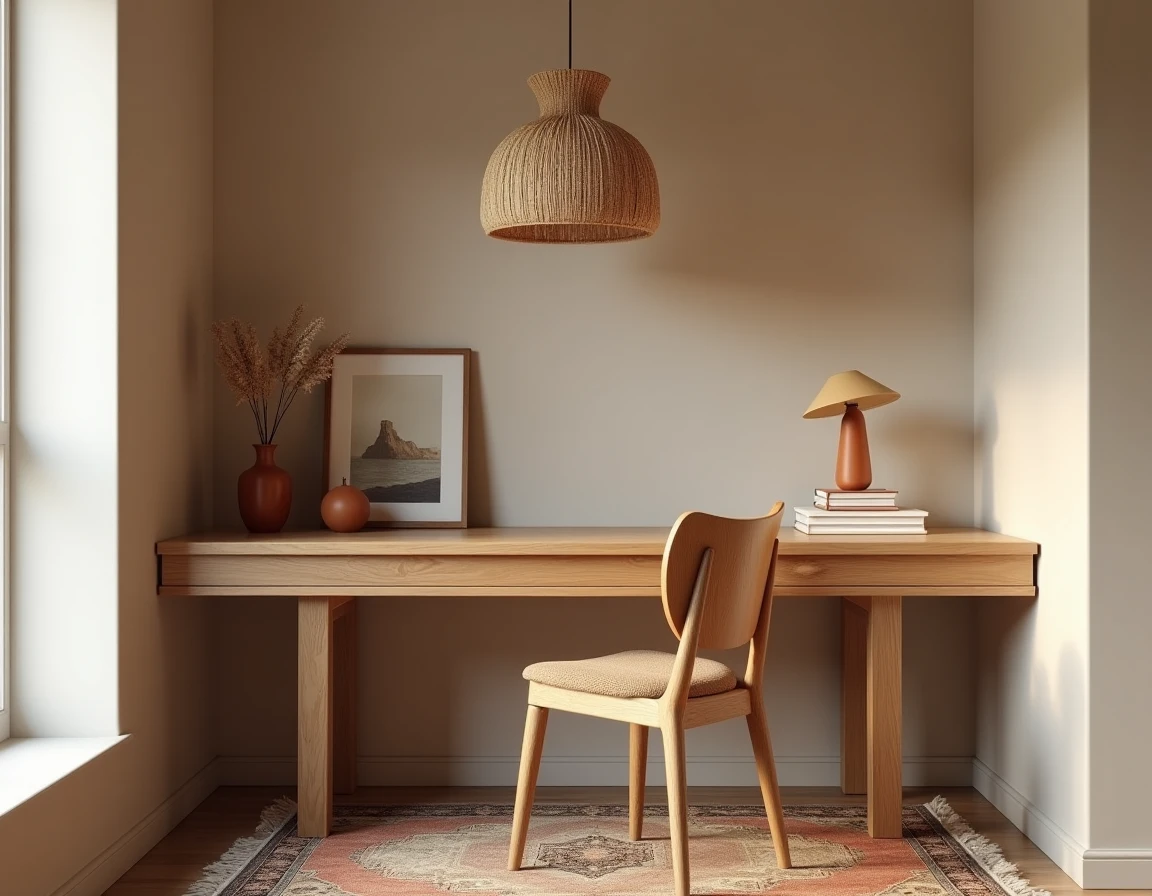
The most sustainable decor choice in 2026 is not the one that follows the most spectacular trend. It is the one that takes into account the actual space, the thermal constraints of the housing, and how one lives daily in each room. A curtain that insulates, a piece of furniture that can be moved, a color that doesn’t tire after six months: these are the true criteria for a functioning interior.