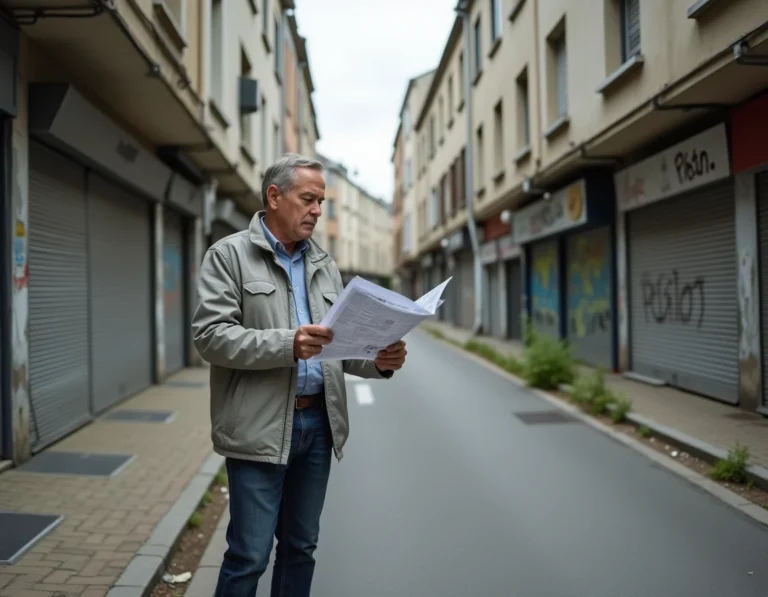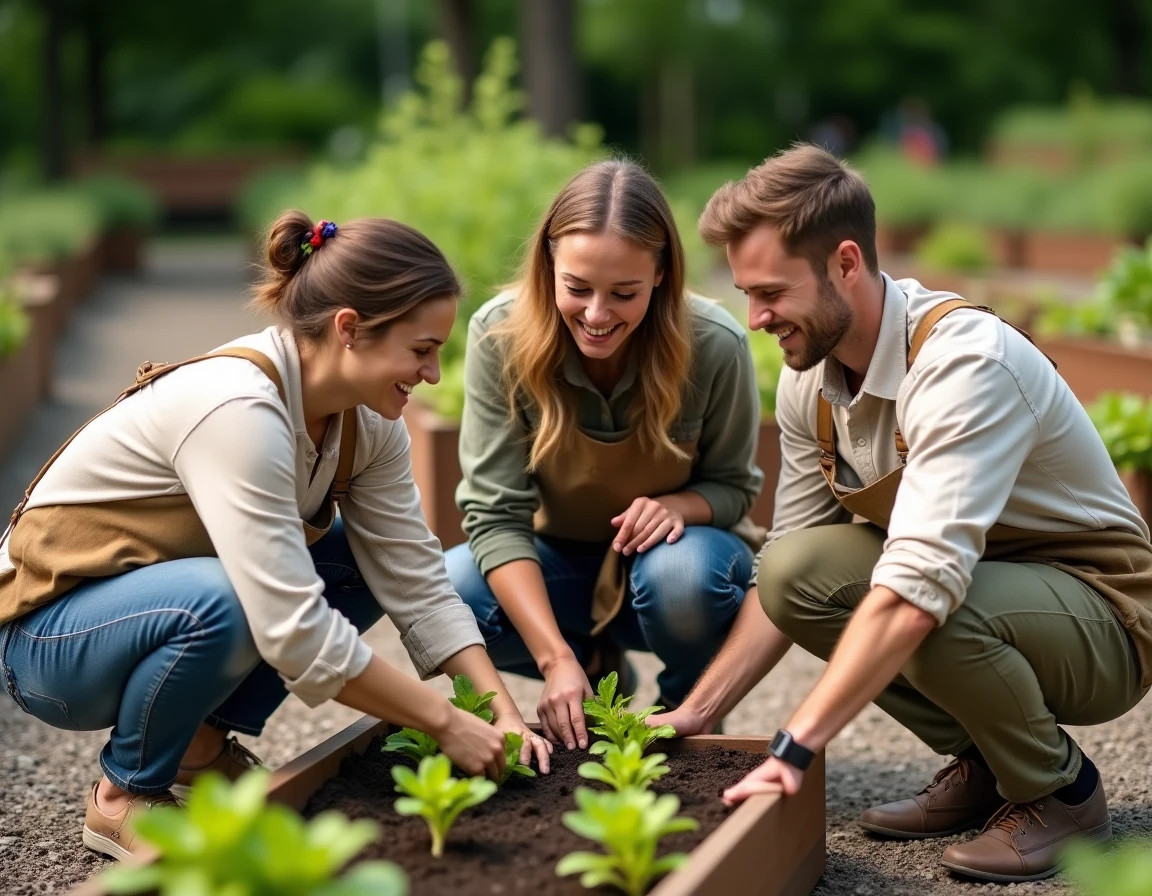
Organizing an outing with family or friends on a Saturday afternoon, and facing a dilemma: go-karting, bowling, escape room, everything consumes, everything generates waste. The eco-responsible leisure activities offered by organizations like Durabilis change the game by starting from an opposite logic, that of building pleasure around what the territory already offers, without over-equipment or waste.
The approach is not limited to slapping a green label on a classic activity. We are talking about formats designed from the outset to reduce their footprint, with verifiable criteria.
Labels and certifications: what distinguishes a truly eco-responsible leisure activity
When looking for an outdoor activity or a nature workshop, the “eco” promise is everywhere. The problem is that most organizations settle for selective sorting and polished communication. To see clearly, we can rely on precise benchmarks.
The Green Key label, historically reserved for tourist accommodations, has been expanding in recent years to leisure centers and outdoor parks. The ISO 20121 certification, on the other hand, targets responsible management of events and activities. These two frameworks impose regular audits on water consumption, waste management, responsible purchasing, and public awareness.
By exploring the leisure activities offered by Durabilis, we find this logic of transparency: each referenced activity meets concrete criteria, not just a simple declarative commitment.
- Green Key: annual audit covering water management, energy, waste, and participant awareness
- ISO 20121: international standard applicable to sports, cultural, and recreational events, with a continuous improvement plan
- Lucie Label: broader, it includes social responsibility (working conditions, accessibility) in addition to environmental criteria
A certified leisure activity is not necessarily more expensive. Feedback on this point varies by region and type of activity, but labeled organizations often offset their investments with operational savings (less consumables, short supply chains for equipment).
Eco-responsible outdoor activities: beyond simple hiking
The classic reflex when thinking of green leisure is a walk in the forest. It’s a good starting point, not an end in itself. The formats that really work combine moderate physical effort with concrete learning.
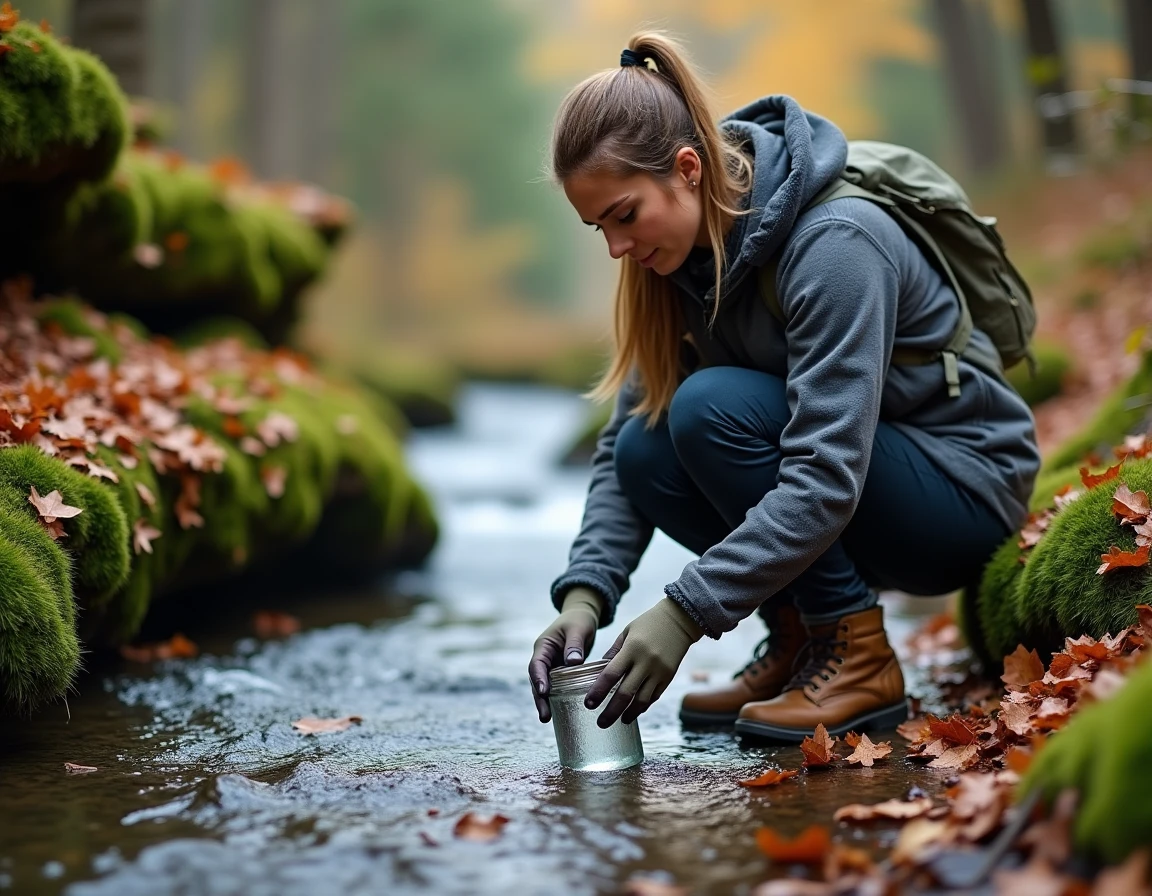
Nature outings led by professionals (naturalists, mountain guides, environmental educators) allow participants to learn to identify local plant or animal species. One moves from a passive stroll to an active exploration of the territory.
Foraging and wild cooking workshops
These formats are in high demand. The principle: a guide identifies edible plants in an area, explains the rules of responsible foraging (never take more than a third from a site, avoid protected areas), and then we cook together on-site using a wood stove or controlled fire.
Guided wild foraging teaches a direct relationship with nature, far from screens and usual consumption circuits. Children remember better what they taste than what is explained to them in a classroom.
Low-impact outdoor sports
Canoeing on rivers, light sailing, mountain biking on marked trails: these practices generate little noise pollution, no direct emissions, and rely on lightweight infrastructures. Certified Green Key nautical bases go further by requiring biodegradable cleaning products for equipment and limiting the number of simultaneous participants to preserve the banks.
Abandonment and arbitration: the real choice behind sustainable leisure
An angle that eco-responsible leisure guides rarely address: choosing green leisure also means giving up certain activities. An increasing portion of the French public declares they are ready to boycott leisure activities perceived as too polluting, whether they are energy-intensive amusement parks or long-distance travel for sporting events.
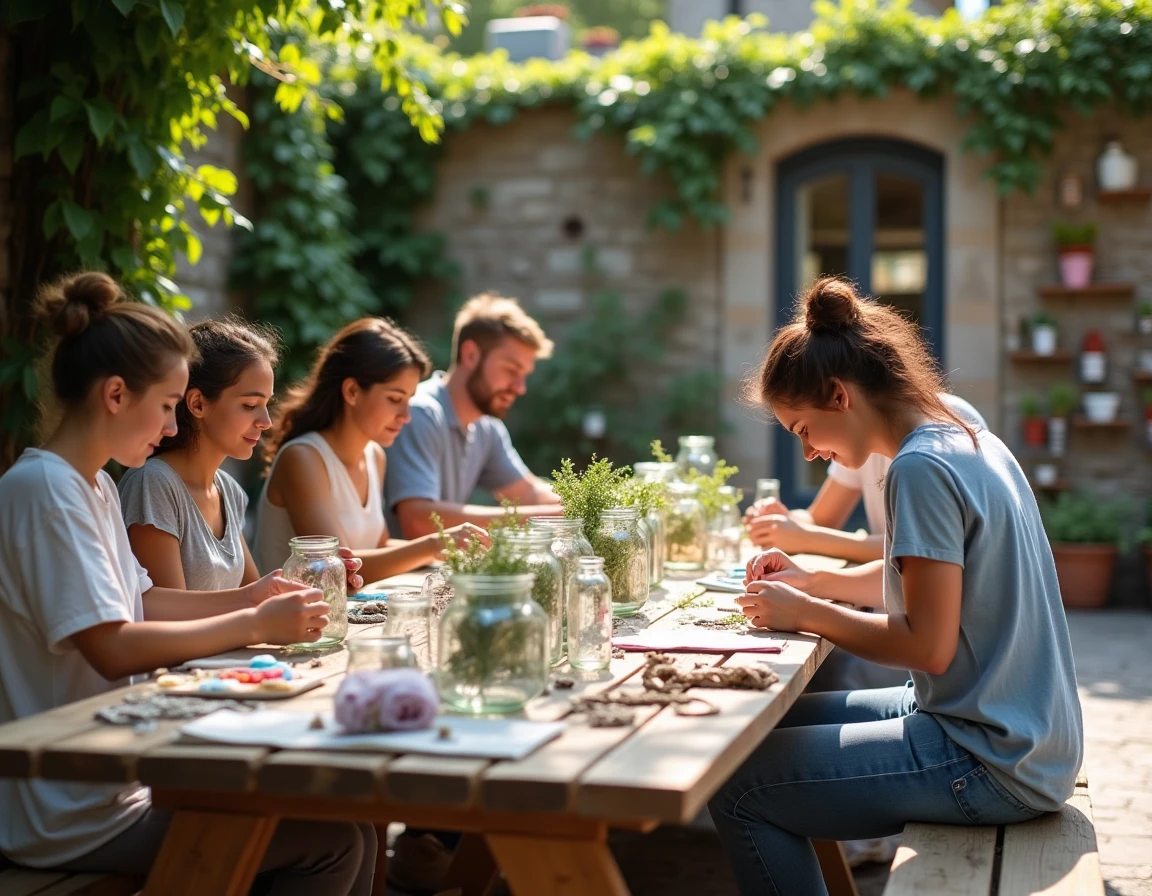
This is not a sacrifice; it is an arbitration. One replaces a weekend at a heated water park running at full power with a day of kayaking on a natural body of water. The pleasure is different, not lesser.
The challenge for organizations like Durabilis is to make this arbitration easy. When consulting a catalog of eco-responsible activities, one needs to quickly know: what label, what distance from home, what target audience (families, groups, solo), what physical level is required.
Eco-responsible leisure for families: concrete selection criteria
Going out with children aged 4 and 10 is not the same logistics as a group of sporty adults. Here are the criteria to check before booking a so-called eco-responsible activity for families.
- Physical accessibility: is the course or workshop suitable for all ages, with variations for younger ones?
- Realistic duration: a nature activity lasting a maximum of two hours is better suited for families than a full day that exhausts the youngest
- Equipment provided on-site: the less one transports, the less fuel is consumed. Responsible organizations lend equipment rather than asking everyone to buy their own
- Integrated awareness: does the activity include an educational component suitable for children (recognizing tracks, observing insects, mini-herbarium)?
Eco-friendly amusement parks do exist, but their model often relies on massive attendance that contradicts the goal of sobriety. Favoring small-scale organizations remains the most coherent choice with a sustainable approach.
The transition to lower-impact leisure does not come from a catalog of good intentions. It relies on verifiable labels, activity formats designed for the local terrain, and an audience willing to redefine what “having fun” means. Organizations that document their commitments, like Durabilis does for its activities, facilitate this transition much more than yet another guide to generic eco-gestures.