The Ferber Painting herbicide is based on a glyphosate formulation. Its systemic effectiveness, absorbed by the foliage and then transported to the roots, makes it a radical product against most weeds. However, its use requires a technical rigor that is often underestimated, particularly regarding the application schedule, soil management after treatment, and consideration of current environmental constraints.
Weather Conditions and Application of Ferber Painting Herbicide
A treatment applied on wet foliage or in winds stronger than a light breeze loses a significant part of its effectiveness. We recommend treating only on dry foliage, in calm weather, and without rain forecast in the following hours. Morning dew matters: it’s better to wait for it to evaporate before spraying.
Temperature also plays a role. Below around ten degrees, sap circulation slows down, and the product migrates poorly to the roots. Active growth periods in spring and early autumn provide the best results.
The most common mistake is watering too soon after treatment. If you irrigate the treated area or if rain occurs before absorption, the active ingredient is washed away. A delay of at least several hours without water on the foliage is the minimum for complete action.
When applying the Ferber Painting herbicide for gardens, the precision of the action takes precedence over the quantity: target the weeds, not bare surfaces or neighboring cultivated plants.

Runoff and Soil Protection After Weeding
Exposed soil after treatment is the main ecological trap of chemical weeding. An area cleared of its weeds but left bare becomes vulnerable to runoff, erosion, and rapid recolonization by pioneering grasses, often more resilient than the eliminated species.
Recent technical guides emphasize a requirement that goes beyond simple instructions: reseed or mulch quickly in weeded areas to avoid this cycle of bare soil conducive to the massive return of weeds. In practice, this means that chemical weeding is just one step in a maintenance plan, not an end in itself.
Limiting Runoff to Water Bodies
Regulations already impose treatment distances from ditches, watercourses, and stormwater drains. On sloped terrain, even slightly, the product can migrate with surface water. We recommend never treating in immediate proximity to a stormwater collection point and favoring localized treatment rather than blanket spraying.
- Maintain an untreated buffer zone along any water flow, even intermittent
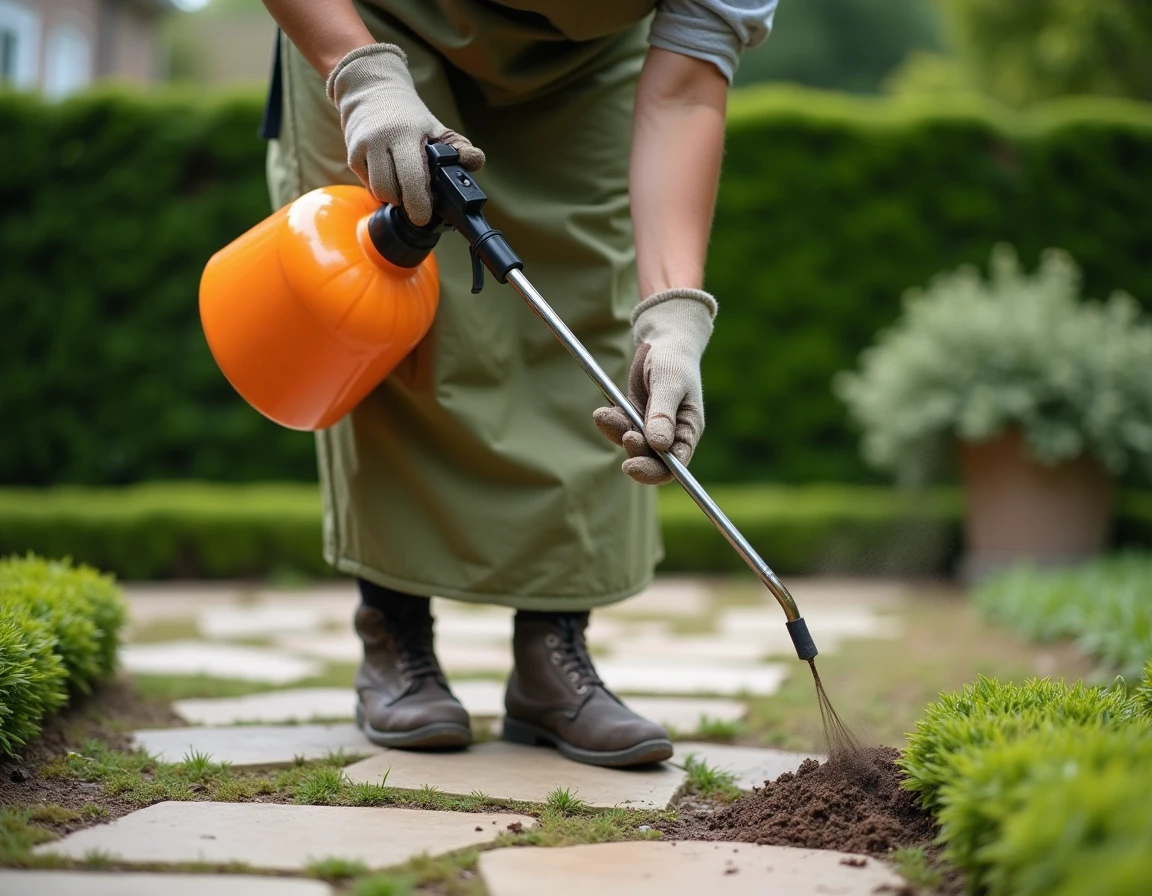
- Prefer a targeted jet sprayer rather than a wide boom model to limit drift
- Mulch or sow a cover crop in the days following treatment to stabilize the soil
- Never treat on water-saturated soil or just before a forecasted rain event
Ferber Painting Herbicide and Mechanical Alternatives: Complementarity
Opposing chemical weeding to mechanical weeding makes little sense in practice. The two approaches complement each other depending on the type of weed and the area treated. On a gravel path or terrace joints, a thermal weeder or mechanical hoe is often sufficient. In a bed overrun by deep-rooted perennials (bindweed, couch grass), systemic treatment remains significantly more effective.
The question to ask is not “chemical or mechanical,” but “which weed, on what support, with what recolonization goal.”
When Mechanical Suffices
Annuals at the beginning of their cycle, before flowering, can be easily pulled with a hoe. A sufficiently thick mineral or organic mulch prevents their germination for several months. Resorting to chemical herbicide on seedlings just a few centimeters tall is like using a disproportionate tool, with unnecessary ecological costs.
When Systemic Treatment is Justified
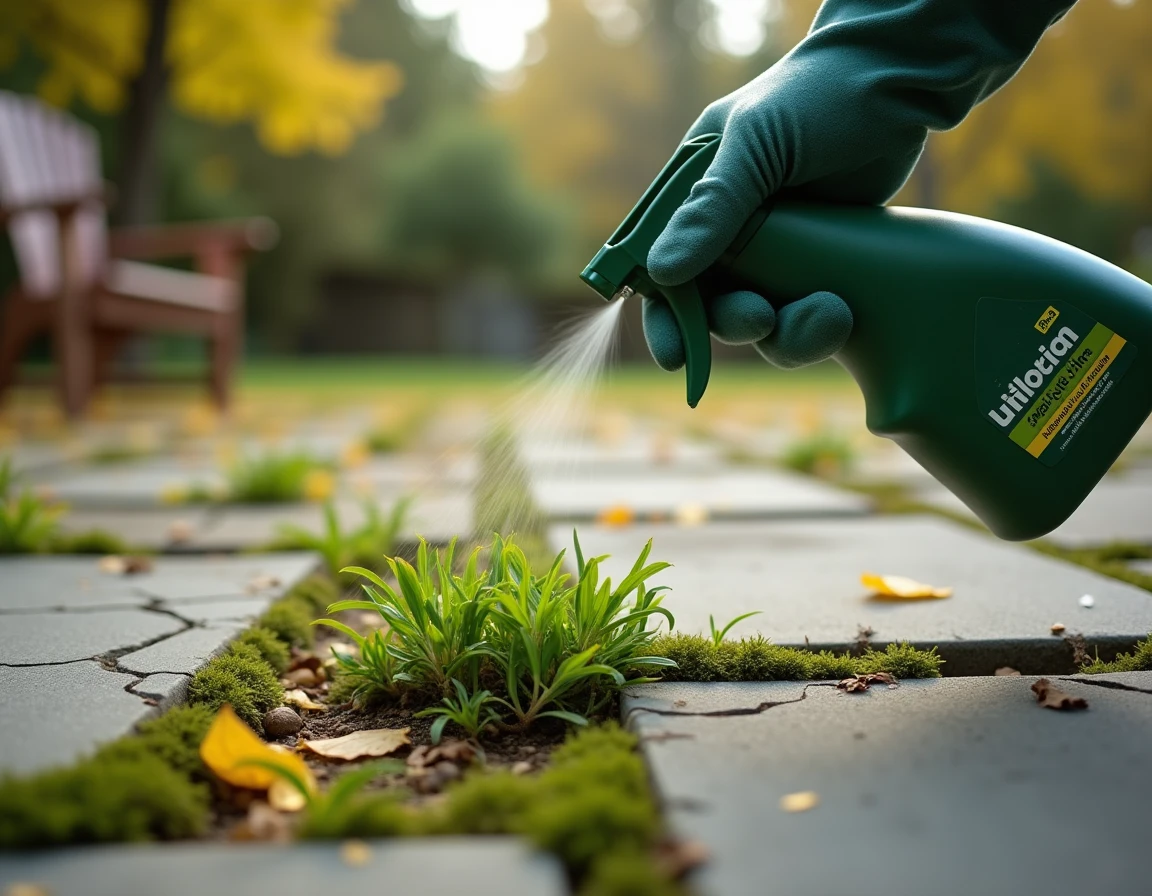
Plants with deep taproots or spreading root systems do not yield to hoeing. Cutting the aerial part of a bindweed only stimulates regrowth. In these cases, a targeted application on active foliage remains the most effective method to reach the root system. The Ferber Painting product, applied with a brush or fine jet sprayer directly on the target plant, limits dispersion in the environment.
Seller Reliability and Purchase Precautions
A rarely addressed point in gardening guides concerns the reliability of the purchase source. The Scamdoc evaluation of the site ferberpainting.fr shows a moderate trust index, around 66%, with reservations about the transparency of available information. This score does not mean that the product is ineffective, but it calls for caution regarding sales conditions.
Before ordering, we recommend checking several concrete elements:
- The presence of a market authorization number (AMM) on the product sheet or label
- The legal mentions of the site, including the physical address and return conditions
- Verified reviews on third-party platforms rather than on the seller’s own site
An herbicide without a clearly identifiable AMM should not be used, regardless of the displayed price or promises of effectiveness.
The Ferber Painting herbicide can yield clear results provided that weather windows are respected, targeted treatment is applied, and soil is managed after application. A pristine garden is not just about eliminating weeds: it is the rapid recolonization by an appropriate cover that guarantees a lasting result, not just the power of the product.