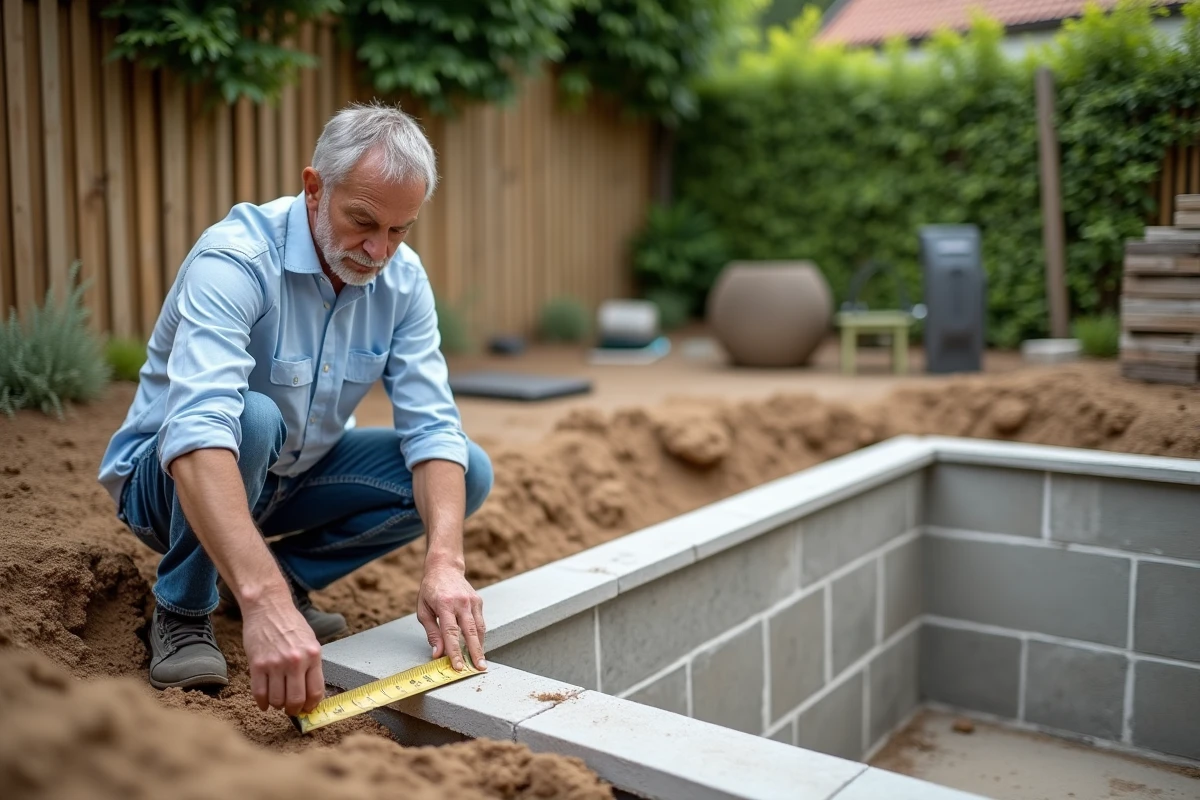
No standard imposes a typical depth for buried terraces. However, even the slightest approximation in this calculation jeopardizes the stability and longevity of the structure. Experienced professionals systematically adjust the depth based on the soil, the purpose of the slab, and the local climate.
Reducing the depth to save a few euros on construction exposes one to settling or infiltration issues that often reveal themselves much too late. The differences between technical recommendations and local practices make the choice even more complicated.
What is the real purpose of depth in the construction of a buried terrace?
The depth of the terrace is not an engineer’s whim. It is the backbone of solidity: the foundation slab ensures anchoring, compacted fill guarantees levelness, and precise drainage prevents infiltration and keeps moisture at bay. This parameter is determined according to the nature of the soil and the intended use of the terrace.
In clayey soil, it is often necessary to dig deeper to prevent the appearance of cracks or subsidence. In sandy terrain, the thickness of the slab and the selection of materials become crucial, while a natural slope will help manage water runoff. The ideal depth for a buried terrace, explained in “Ideal Depth for a Buried Terrace: Criteria and Standards – Déco Factory,” generally varies from 20 to 80 centimeters. This choice also depends on the purpose of the terrace: dining area, pool corner, spa, or simple relaxation area, each use requires a structure and resistance that suits it.
| Element | Role |
|---|---|
| Foundation Slab | Stabilizes the structure, supports the weight |
| Drainage | Protects against moisture and water rises |
| Compacted Fill | Preserves levelness, limits settling |
The durability of the buried terrace is determined at this stage. If the depth is neglected, the soil shifts, the slab cracks, moisture infiltrates, and the project turns into a repair job. Investing in robust materials, planning for geotextile, and incorporating expansion joints are precautions that prevent unpleasant surprises. A terrace designed from the start with an appropriate depth becomes a discreet barrier against unforeseen events, extending enjoyment season after season.
What technical and regulatory criteria should be considered before digging?
Before starting the project, one must juggle two requirements: comply with local regulations and align with technical criteria. The French legal framework requires vigilance from the design stage: as soon as the surface exceeds 20 m² or the terrace rises more than 60 cm, a prior declaration of works is mandatory, or even a building permit in certain cases. Being close to a classified building or a protected area complicates the process further. Therefore, it is essential to consult the PLU (Local Urban Plan) of the municipality, which details height limits, materials, and sometimes even permitted colors.
From a technical standpoint, the ideal depth for a buried terrace is never just an aesthetic preference. It depends on the type of soil (clay, sand, limestone) and the weight the structure will need to support. A soft terrain will require deep excavation, a reinforced slab, and effective peripheral drainage. For stability, it is recommended to create a slight slope of 1.5% to avoid water stagnation and moisture rising under the slab.
Before starting, here are the points to check to avoid any mistakes:
- Comply with DTU standards: they specify the design of foundations, the minimum thickness of slabs, and the materials to be used.
- Terrace surface: adapt it to the intended use, the number of people expected, and the size of the outdoor space. The larger the terrace, the more the structure needs to be reinforced.
- Development tax: creating a buried terrace may incur taxation based on the surface area created.
Every detail, from the terrace depth to the choice of materials, must anticipate the specifics of the land and legal obligations. This anticipation protects against unpleasant surprises, unexpected inspections, structural disorders, or unwanted moisture.
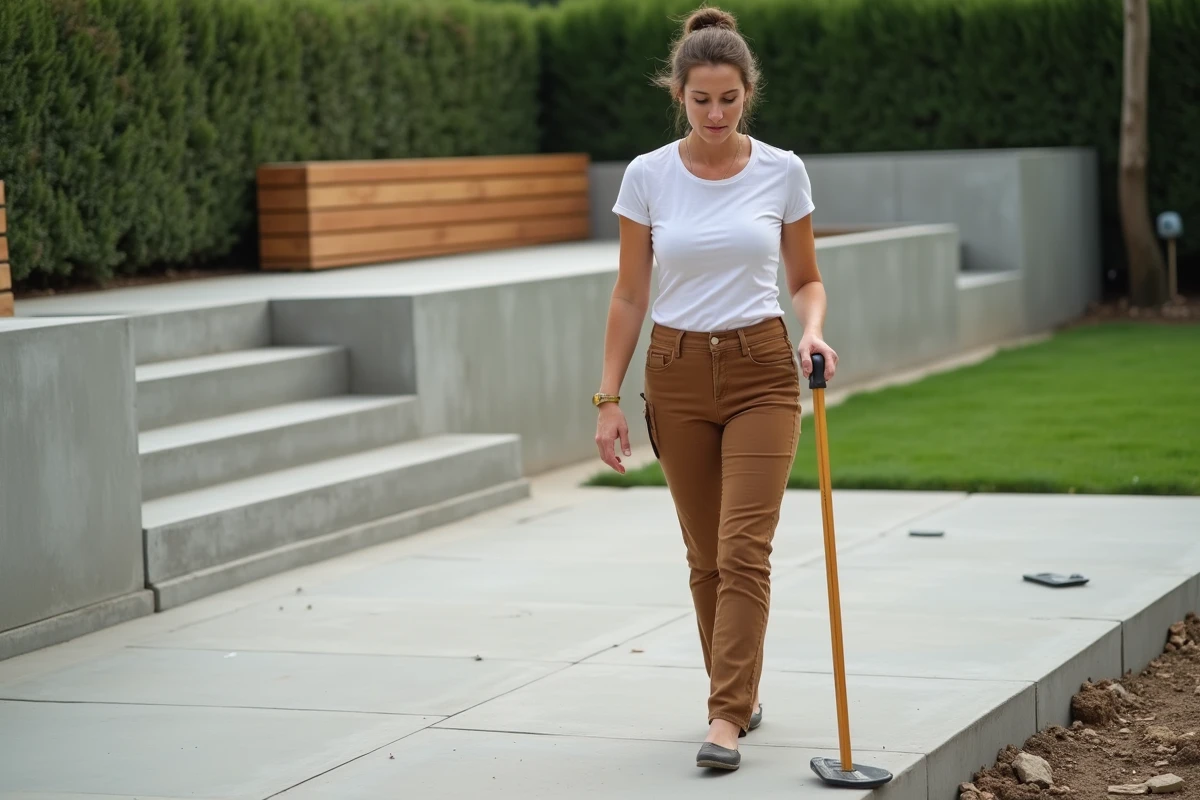
Enjoying a durable buried terrace: practical tips for choosing the ideal depth at home
The depth of a buried terrace determines the success of the project. To accommodate a summer lounge or an outdoor kitchen, it often suffices to dig between 20 and 40 cm, allowing for a stable foundation slab and well-compacted fill. Installing a spa or pool requires digging much deeper: aim for a depth of 60 to 80 cm to avoid subsidence, cracks, and infiltration. Depending on the soil composition, clay or sand, the method changes: each terrain has its requirements to ensure stability.
Invest in durable materials: reinforced concrete for the structure, composite wood for the cladding. Composite wood, primarily made from recycled materials, resists moisture, is easy to clean, and maintains its appearance over the years. A well-thought-out peripheral drainage, combined with a slope of at least 1.5%, ensures water evacuation and prevents stagnation under the slab. The geotextile, placed between the fill and the slab, limits the regrowth of unwanted vegetation and strengthens soil stability.
To optimize the use and comfort of your terrace, pay attention to the following points:
- Unobstructed access: a lowered threshold of 20 mm facilitates movement and makes the terrace accessible to everyone, especially people with reduced mobility.
- Privacy protection: prefer wooden, glass, or stainless steel privacy screens, or opt for plant hedges to maintain intimacy.
- Orientation: orient the terrace to the south or west to benefit from maximum light, adjusting according to the shade from nearby trees or buildings.
The budget for the terrace primarily depends on the materials chosen, the surface area, and the depth selected. Also plan for maintenance: a quality covering reduces long-term costs and preserves the elegance of the space. For each use, adapt depth, drainage, and foundations to achieve a reliable and pleasant result, capable of enduring the seasons without faltering.
Digging correctly ensures a long and trouble-free life for your terrace, providing peaceful afternoons or lively evenings without fearing any flaws beneath your feet.