
Choosing the best heating system for your home is a crucial decision that impacts not only the comfort of your dwelling but also your finances and ecological footprint. The options are numerous and vary according to the specific needs of each home, local climate conditions, and personal preferences. From condensing boilers to heat pumps, solar systems, and wood stoves, each solution has its advantages and disadvantages. The key is to find a balance between energy efficiency, initial cost, and operating cost, while complying with current environmental regulations.
Assessment of needs and selection criteria for a heating system
Accurately assessing your heating needs is the first step for any homeowner concerned about energy efficiency and potential savings. The choice of a heating system must adapt to the configuration of the home: area, insulation, number of rooms, and even ceiling height. A central heating system, for example, ensures uniform heat distribution throughout the house via a single unit, while electric heating will require the installation of a heater in each room, often two for optimal heat distribution.
Consider the different types of systems for an informed selection. Passive heating, which takes advantage of the house’s orientation and building materials to minimize energy consumption, can be wise in sunny areas. For homes needing a quick response to sudden temperature drops, supplementary heating proves to be an effective complement. A combined heating and hot water system can represent a particularly relevant integrated solution, generating both heat and domestic hot water. If necessary, an electric water heater is essential for households whose main heating system does not provide hot water.
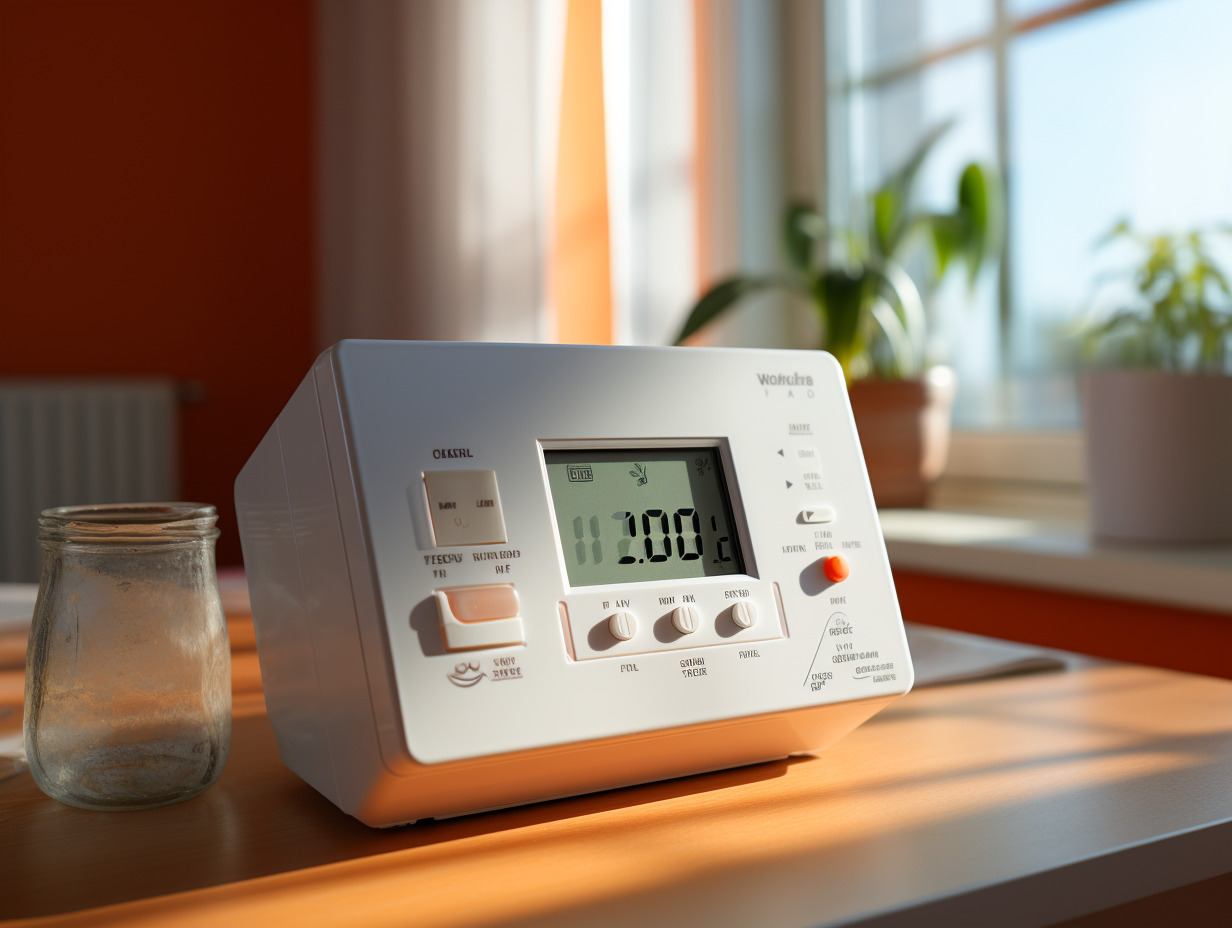
The Conseil Habitat strongly recommends considering the prospects for savings on heating and hot water. The initial investment, while crucial, should not overshadow the consideration of long-term operating costs. Devices that help reduce energy bills, such as programmable thermostats or home automation, should be among the selection criteria. Similarly, compatibility with renewable energies and the potential for reducing greenhouse gas emissions are increasingly significant considerations in the decision to invest in a suitable and responsible heating system.
Detailed comparison of the most popular heating systems
The gas heating system stands out for its ability to provide comfortable and consistent warmth. Modern boilers are efficient and can be paired with a thermostat for precise temperature control. Their dependence on natural gas, a fossil fuel, exposes them to price fluctuations in international markets, not to mention the environmental issues related to greenhouse gas emissions.
As for wood heating, it relies on the use of biomass, a renewable resource, to produce heat. Wood stoves and boilers, whether using pellets or logs, promise a cozy atmosphere and are advantageous in areas where wood is abundant and inexpensive. It should be noted that there is a reduction in carbon emissions.