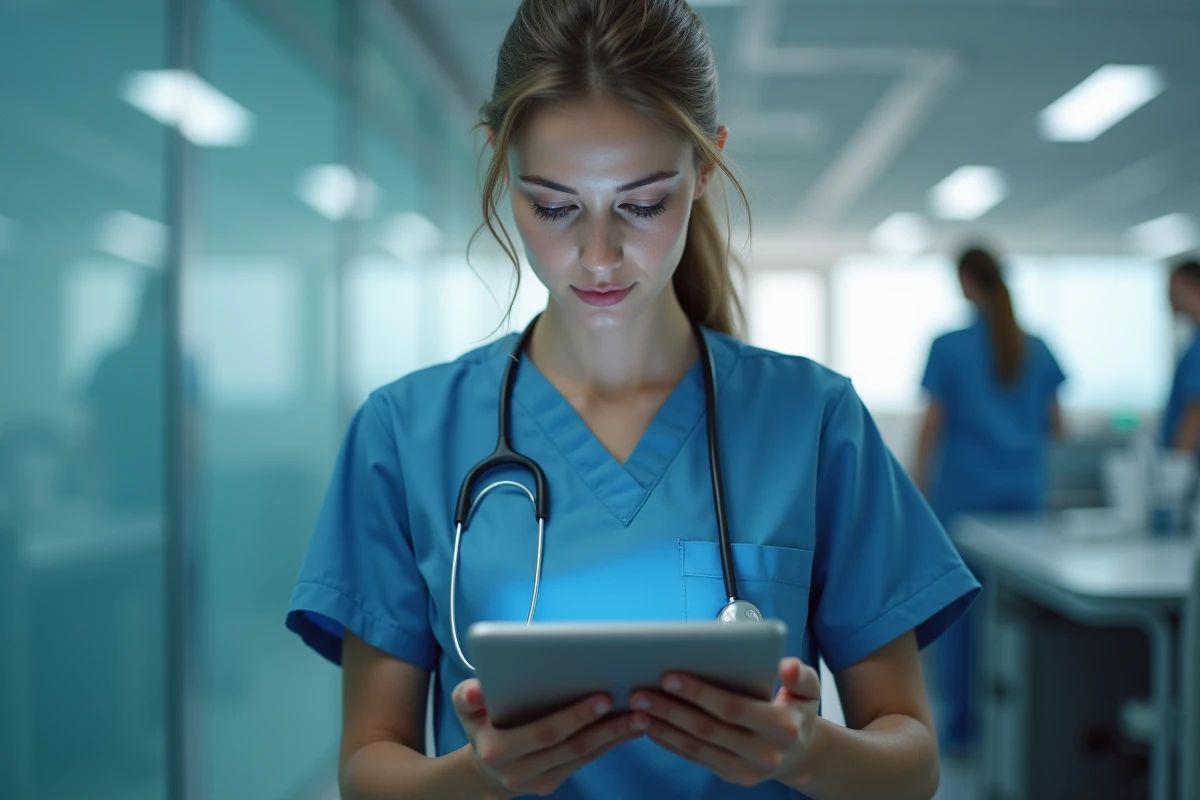
35%. This is the increase recorded in the use of connected medical devices in France over the past three years, according to the Digital Health Agency. Care protocols are now equipped with smart tools, sometimes far from the hospital walls, but validated by solid clinical trials. Practices once reserved for specialists with sophisticated equipment are spreading thanks to telemonitoring and the automation of administrative procedures. This massive technological shift brings with it unprecedented questions about data security and equitable access to health for all.
Medical IoT at the heart of transforming care practices
The Internet of Medical Things is driving an unexpected momentum in the routine of caregivers, whether they work in hospitals or remotely. Now, a multitude of connected devices monitors patients’ health from a distance, captures sensitive data, and allows for continuous monitoring. What once seemed like a gadget has become a concrete pillar for professionals in France.
Artificial intelligence unlocks the potential of this mass of data: more targeted diagnosis, anticipation of complications, rapid adjustment of treatments. Faced with administrative tasks that undermine efficiency, these automatic solutions finally offer a lever to focus on what matters: human support. In the operating room, robotics takes the stage, enabling finer and less risky actions, with ultra-precise outcomes.
Now, virtual reality brings a fresh breeze into the training of caregivers. They can practice complex actions, train without stress, and push their limits even before approaching a patient. A whole model of knowledge transmission is evolving before our eyes.
This technological push, however, comes with a requirement: to remain attentive to ethics and European regulations, which demand firmness and vigilance for the protection of health data. Innovation makes no sense without security or respect for fundamental rights. To delve deeper into the impact of these changes and follow the evolution of digital health, simply discover Geek Medical online.
What connected devices are truly revolutionizing the daily lives of medical staff in France?
Health connected devices are everywhere: in hospital services, in telemedicine, and even in daily monitoring. They are changing the game on the ground, multiplying the tools available to caregivers.
Several categories can be identified that are transforming practices:
- Blood glucose sensors and smart cardiac implants automatically transmit data: the doctor can receive an alert remotely and intervene at the slightest doubt, without having to wait for the next consultation.
- Telemonitoring platforms and health applications provide sustainable support for patients and professionals. They facilitate coordination, avoid unnecessary travel, and maintain the connection, especially in cases of chronic illnesses.
- The 7 Tesla MRI redefines diagnostic capabilities by revealing long-invisible anomalies, which radically changes the clinician’s decision-making.
- Connected in vitro diagnostic tests allow for faster detection of certain pathologies and enable prompt responses to observed changes.
- Teleconsultation booths are now installed in many rural or suburban areas. They are equipped with connected tools (blood pressure monitor, thermometer, stethoscope) that make medicine accessible to those who were previously deprived of it, bringing patients and caregivers closer together where miles separate them.
Each innovation, moving from fantasy to daily reality, redefines how to support, prevent, and treat. Gaps are filled, entire territories finally benefit from increased vigilance and equity in the care pathway.
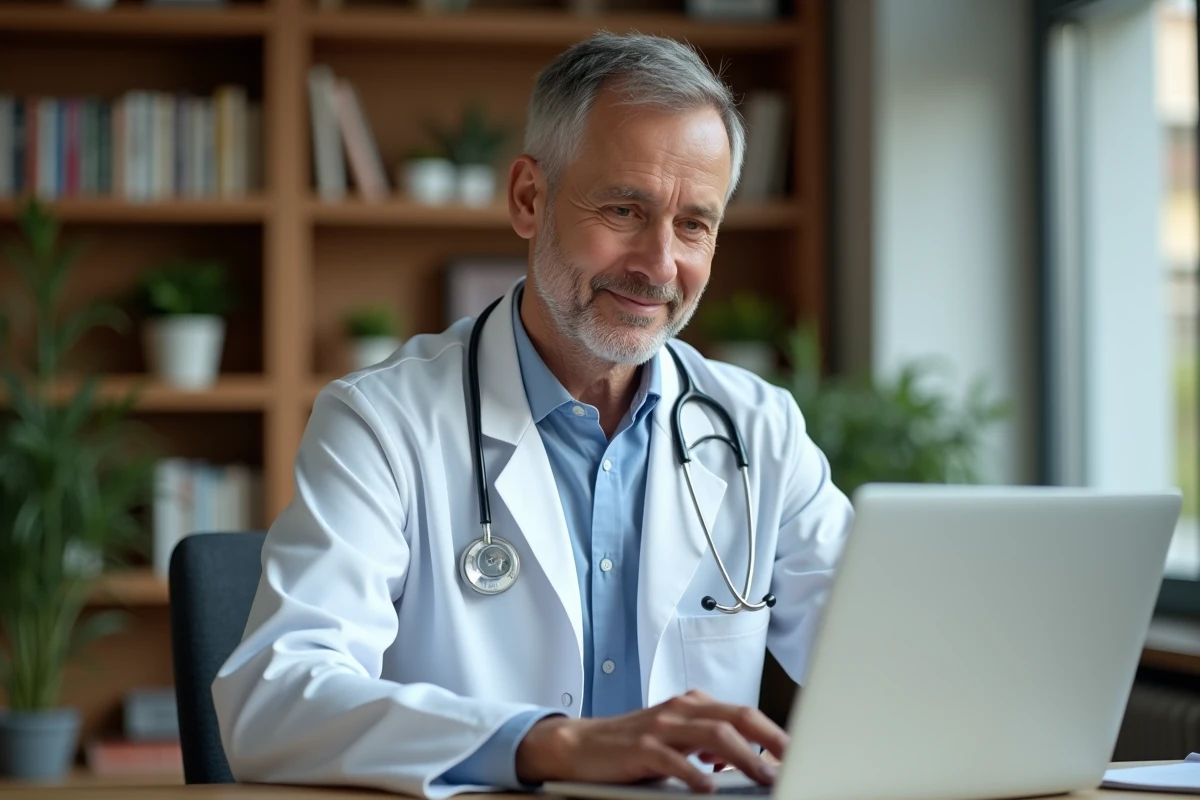
Challenges, limits, and perspectives: how far can IoT accompany the evolution of health?
The protection of health data is paramount. Every stakeholder must adhere to a strict course: digital sovereignty and cybersecurity are no longer optional, especially since the implementation of European regulations (MDR, IVDR). Ensuring the traceability and reliability of connected devices is about establishing trust, nothing more, nothing less.
But technology must not create new divides. Digital inclusion becomes a sine qua non condition, so that access to these innovations is not reserved for a minority. Emmaüs Connect, among others, works to combat the digital divide. At the same time, Femtech France ensures that data collection takes into account the specifics of each individual, filling in long-ignored gaps.
The prospects are broad: the Health Innovation Plan 2030 places digital technology at the heart of the medical project, 56 connected solutions are already recognized in France, and at the European level, this sector generates thousands of jobs and fuels a real dynamic.
However, piling up gadgets is not enough: each advancement should serve a more humane, fairer health system, fully controlled by those who experience it. Technological boldness will never be worthwhile without the demand for permanent ethical vigilance. The balance between progress and responsibility is already sketching the true face of tomorrow’s medicine.