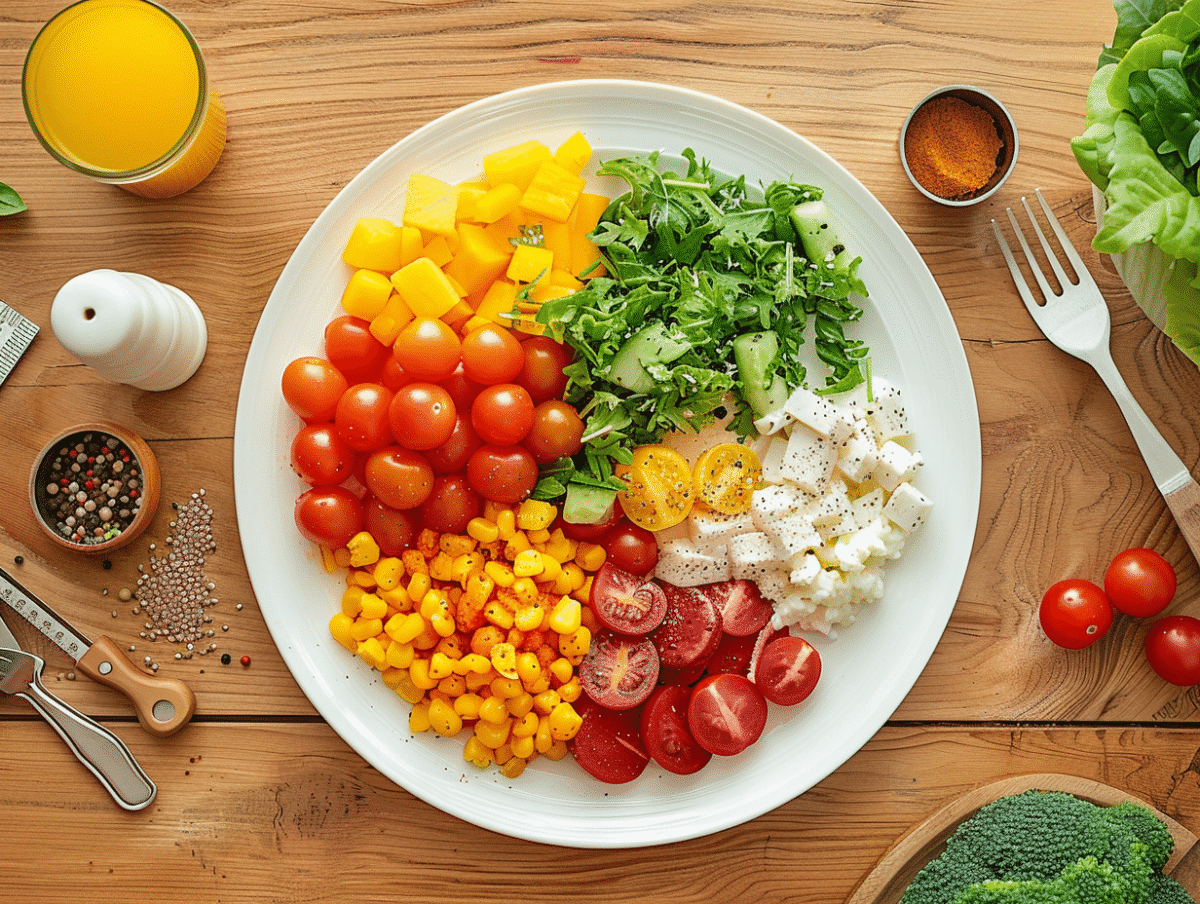
In an era where food abundance coexists with a growing awareness of the importance of healthy eating, portion balance on our plates becomes a major issue. With the proliferation of diets and nutritional advice, it can sometimes be difficult to navigate how to compose meals that meet our needs without excess. The art of portion control is essential for maintaining a healthy weight, optimizing energy, and preventing various diseases. Practical and simple tips can help adjust the quantities consumed, thus ensuring a balanced diet on a daily basis.
The Principles of a Balanced Diet
Balancing your plate is not a matter of chance; it is a thoughtful approach based on nutritional recommendations from public health experts. The National Nutrition Health Program (PNNS), a reference framework, provides guidelines aimed at improving the health status of the population and reducing the risks of chronic diseases. These recommendations emphasize dietary diversity, encouraging the consumption of different food groups each day in quantities suited to our personal energy needs.
Nutritional Rebalancing, a concept now common in dietary discourse, contributes to weight loss by promoting an approach to eating centered on listening to hunger and satiety cues. This approach does not advocate counting calories or systematically weighing food but encourages adopting a more intuitive relationship with food. Respect these bodily sensations; they are the most reliable indicators of your actual nutritional needs.
Regarding quantities, food portions are crucial for maintaining a balanced diet. For example, the amount of rice per person should neither be excessive, risking an imbalance in the meal, nor insufficient, which could lead to post-meal hunger. Portions should thus be adjusted based on age, sex, physical activity, and individual energy needs.
You must understand that adjusting portions is a long-term process. Listening to yourself, responding to your needs without excess or deprivation, is the motto of a health preserved by a balanced diet. Foods, diverse and varied, should be chosen and consumed judiciously, considering their nutritional value and their ability to sustainably satisfy the demands of our bodies.
Practical Techniques for Measuring Portions Without a Scale
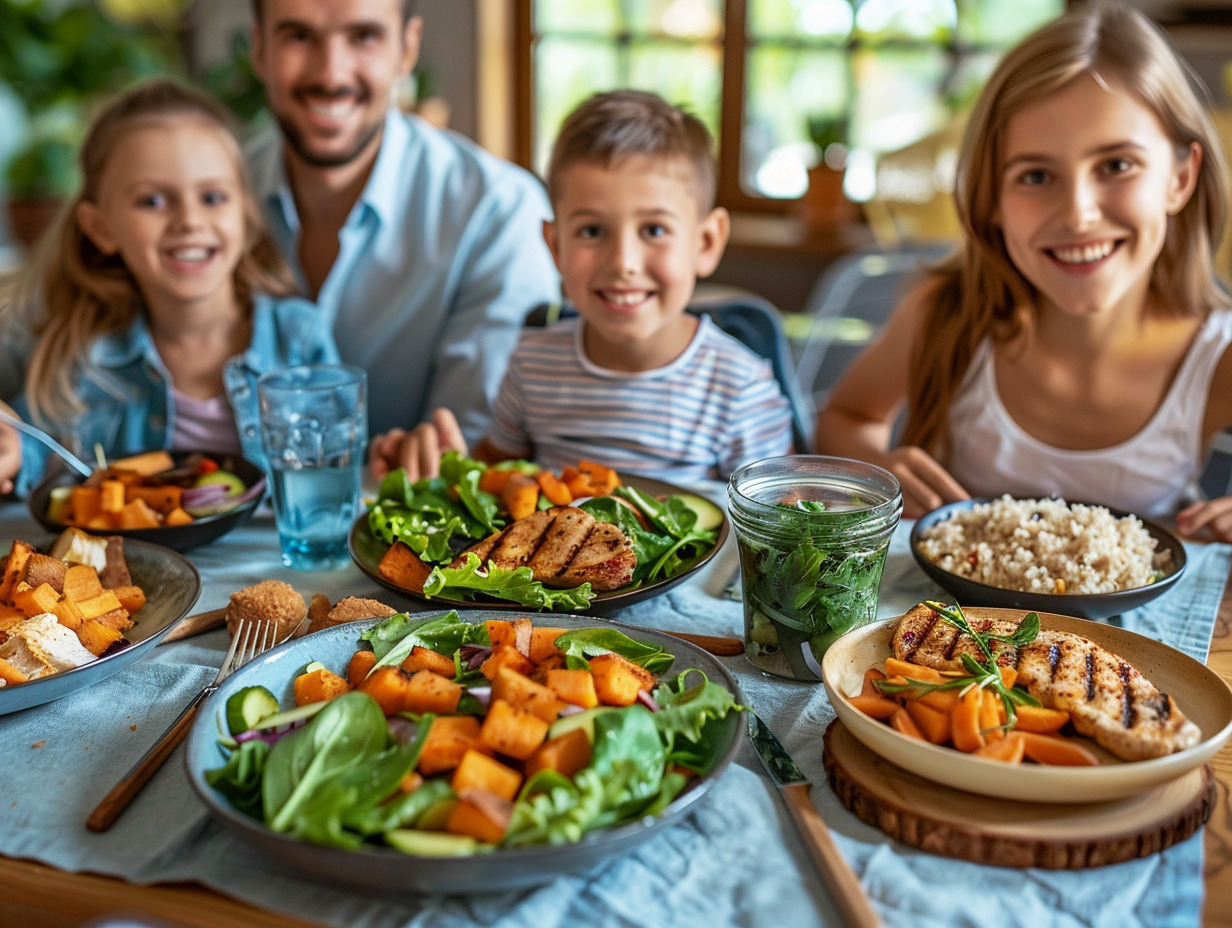
Managing food portions can sometimes be complex without the use of measuring instruments like a scale. Fortunately, clever methods allow for estimating the necessary quantities for a balanced meal. Our hands, tools we have at our disposal at all times, provide a practical measuring system: a handful cupped in the palm corresponds approximately to a portion of starchy foods or a handful of nuts; the palm, without fingers, can represent the appropriate amount of meat or fish.
Common kitchen utensils become allies for portion sizes. A level tablespoon can serve as a reference for fats, while a coffee cup can indicate the right amount of grains or legumes before cooking. For fruits and vegetables, the goal is to fill half the plate, which can easily be achieved by eyeing it and considering the plate size.
These tips help regulate calorie intake without weighing food, thus promoting conscious and adjusted consumption. By relying on these simple techniques, it becomes possible to eat in a balanced way, respecting the proportions that contribute to a good dietary balance, fundamental for optimal health. Adapt these methods to your lifestyle, and transform each meal into an opportunity to nourish your body with precision and wisdom.